
Solar Energy Developments in 2026 | New Technologies & Expectations
Solar Energy Developments in 2026: Innovations Shaping the Future
Discover the solar energy developments of 2026! Innovations in the sector and ongoing transformations are shaping our future in remarkable ways. Click to explore the details.
By the year 2026, significant breakthroughs are expected in the efficiency of solar panels. With the use of nano-materials, solar cells will be able to utilize sunlight much more effectively. Imagine each solar panel producing more energy while occupying less space. This creates a major opportunity, especially for urban areas where space is limited.
Energy storage systems are critical to ensuring continuity in solar energy production. In 2026, advancements in battery technologies will allow solar energy to be stored for much longer periods. This means that the energy produced on sunny days can also be used on cloudy days. As a result, solar energy will become an even more attractive alternative.
Solar energy offers major advantages not only for individuals but also for cities. By 2026, more cities will be able to optimize their energy production and consumption through smart grid systems. In smart cities, solar energy usage will become more efficient, reducing energy losses and enabling a more sustainable way of life.
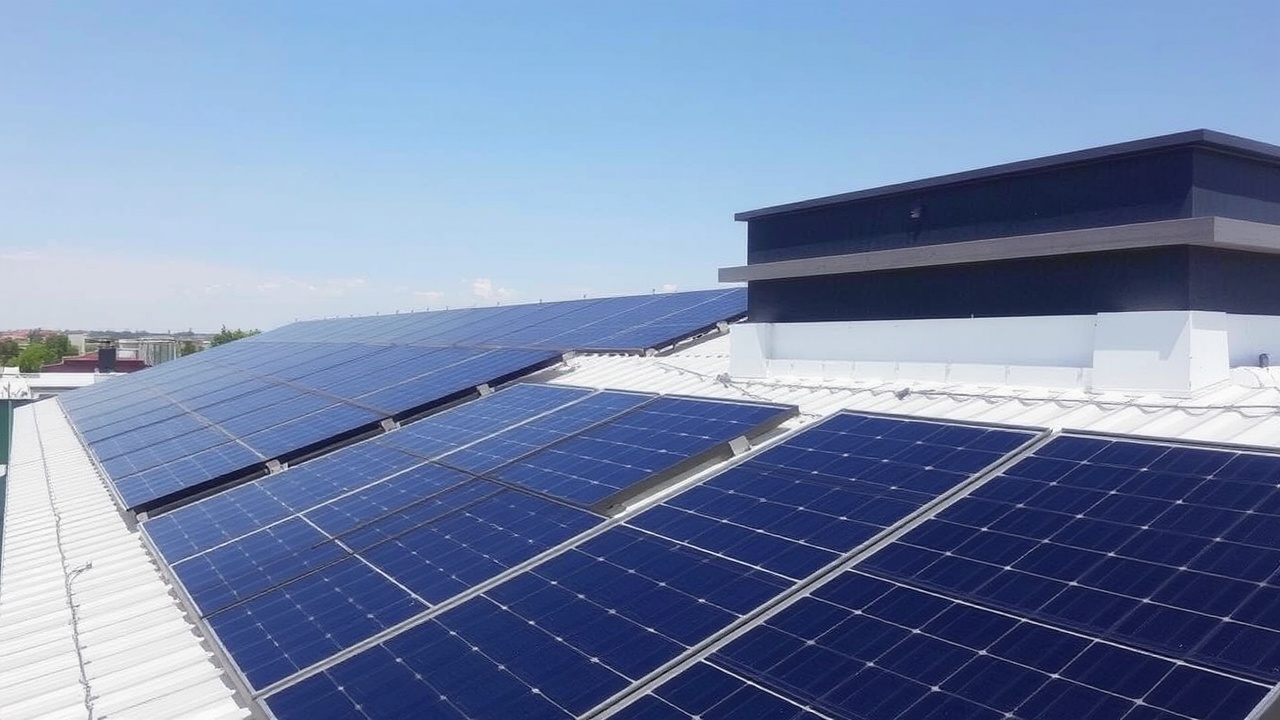
Collaboration between the public and private sectors will play a critical role in supporting solar energy projects. New incentives and initiatives will increase the adoption of rooftop solar panels, while growing public awareness will encourage more individual investments. Everyone will feel motivated to contribute to the environment and save money by using solar energy in their homes.
The year 2026 appears to be set for striking developments in solar energy. The sun is no longer just a natural phenomenon; it is becoming an indispensable part of our lives.
2026: A Revolutionary Year in Solar Energy? New Technologies and Expectations
Technological Advancements:
Solar panels have made major progress in recent years. In addition to more efficient photovoltaic cells, energy storage systems are developing rapidly. The ability to store solar energy now allows users to consume energy exactly when they need it. This not only ensures energy savings but also supports an environmentally friendly lifestyle.
Energy Costs:
The cost of using solar energy continues to decrease. By 2026, the initial investment costs of solar energy systems are expected to be much more affordable compared to fossil fuels. This will encourage more people to switch to solar energy systems. Low costs and high efficiency increase the attractiveness of solar energy.
Global Impact:
Solar energy represents a major opportunity not only for individuals but also for countries. Governments seeking energy independence can reduce their reliance on external sources by investing in solar energy. This is a crucial step in terms of national security. Low carbon emissions will play a key role in combating climate change.
Conclusion:
It is not yet certain whether 2026 will be a full-scale revolution in solar energy. However, considering current developments, exciting innovations and strong expectations await us. The coming years may mark a critical turning point in the solar energy revolution.

A Distant Light: Transformation in the Solar Energy Sector in 2026
Imagine sunlight everywhere, like droplets of water! By 2026, solar panels will become an essential feature of ordinary rooftops. Combined with smart city projects, this energy source will integrate into every aspect of urban life. This extraordinary transformation will not only help us achieve energy independence but also significantly reduce carbon emissions. It feels as though we are dancing in harmony with nature.
With technological advancements, the efficiency of solar panels continues to increase. They are now capable of producing far more energy than previously imagined, resulting in significant economic benefits. What are the main driving forces behind this transformation? The growing importance of sustainable living and government incentives are just two of the key factors accelerating solar energy investments.
Many companies are investing in this field to increase profitability while also creating an environmentally friendly brand image. Imagine an automobile factory operating a production line powered by solar energy. It would reduce energy costs and become more appealing in the eyes of consumers.
Solar energy is increasingly establishing itself as the green energy of the future. The question remains: how many of us will become part of this transformation by 2026?
What Will Solar Panels Offer in 2026? New Innovations and Opportunities
Efficiency Increase:
Next-generation solar panels absorb light more effectively, significantly increasing energy efficiency. By 2026, innovations in photovoltaic cells are expected to achieve efficiency levels far beyond traditional panels. This means generating more energy in the same space, allowing land and rooftops to be used more effectively.
Storage Solutions:
One of the biggest challenges of solar energy has been energy storage. However, by 2026, advanced battery systems will make energy storage much easier. This will enable solar energy to be used not only during the day but also at night.
Smart Systems:
Solar panels and energy systems will be integrated with smart technologies. This will allow real-time monitoring and optimization of solar energy production according to demand. Increasing energy efficiency has never been this easy.
Economic Opportunities:
The solar energy industry promises to create new job opportunities by 2026. Offering attractive prospects for investors, the sector can also contribute to the growth of local economies.
The future of solar panels looks bright, and the innovations ahead are eagerly anticipated.
Solving the Global Energy Crisis with Solar Energy: Expectations for 2026
One of the greatest advantages of solar energy is that it offers a sustainable and clean alternative. In countries aiming to reduce carbon emissions, building solar power plants is no longer just a trend—it is becoming a necessity. Annual sunlight reaches every corner of the planet, playing a key role in producing environmentally friendly energy. As low-cost technologies improve efficiency, solar energy is becoming our ultimate hero.
Solar energy is not only environmentally friendly but also economically beneficial. It creates jobs, supports local economies, and increases energy independence. Investing in solar energy systems at low costs enables individuals and communities to take control of their energy future. Yes, this truly feels like a revolution.
By 2026, solar energy is expected to become even more widespread. With advancements in smart technologies and battery systems, sustainable energy use will be possible even when the sun is not shining.
These advantages make solar energy a major player in solving the global energy crisis. So what are we waiting for to turn to this clean and innovative energy source?

2026: The Year of Solar Energy – Vital Steps for a Sustainable Future
The year 2026 may represent a historic turning point for solar energy. As solar energy usage continues to increase, it is transforming not only our environment but also our economic structure. Why is 2026 so important? Perhaps it will be the year when new technologies and innovative approaches take center stage.
In an era where the climate crisis is becoming more visible every day, solar energy stands out as the key to reducing dependence on fossil fuels. By using solar energy, we have the opportunity to prevent environmental disasters and protect our future.
Surprises in solar energy never seem to end. Improved energy storage solutions, more efficient panels, and smart energy management systems are reducing electricity bills. Imagine living in a world where rooftop solar panels provide uninterrupted energy while also generating financial savings.
Growing public awareness of solar energy is also noteworthy. Individuals are becoming more informed and adopting sustainable lifestyles. Social initiatives shared online increase public pressure, making changes in government policies and incentives inevitable.
The Rise of Solar Energy: Which Countries Will Lead in 2026?
Which Countries Will Stand Out?
Predicting the leading countries in solar energy by 2026 is exciting. Today, China, the United States, and Germany stand out as major investors. China leads not only in panel production but also in large-scale utilization, setting an example for other countries.
Innovative Technologies:
Technological advancements continue to increase efficiency while lowering costs. With advanced storage systems, solar energy can now be used in various weather conditions—not just on sunny days.
Local and International Cooperation:
The rise of solar energy fosters cooperation between countries. Collaborative projects reduce energy dependence while supporting economic growth.
In summary, the future of solar energy looks bright. Determining which countries will lead in 2026 is exciting, and this journey toward a sustainable world continues with new developments every day.