
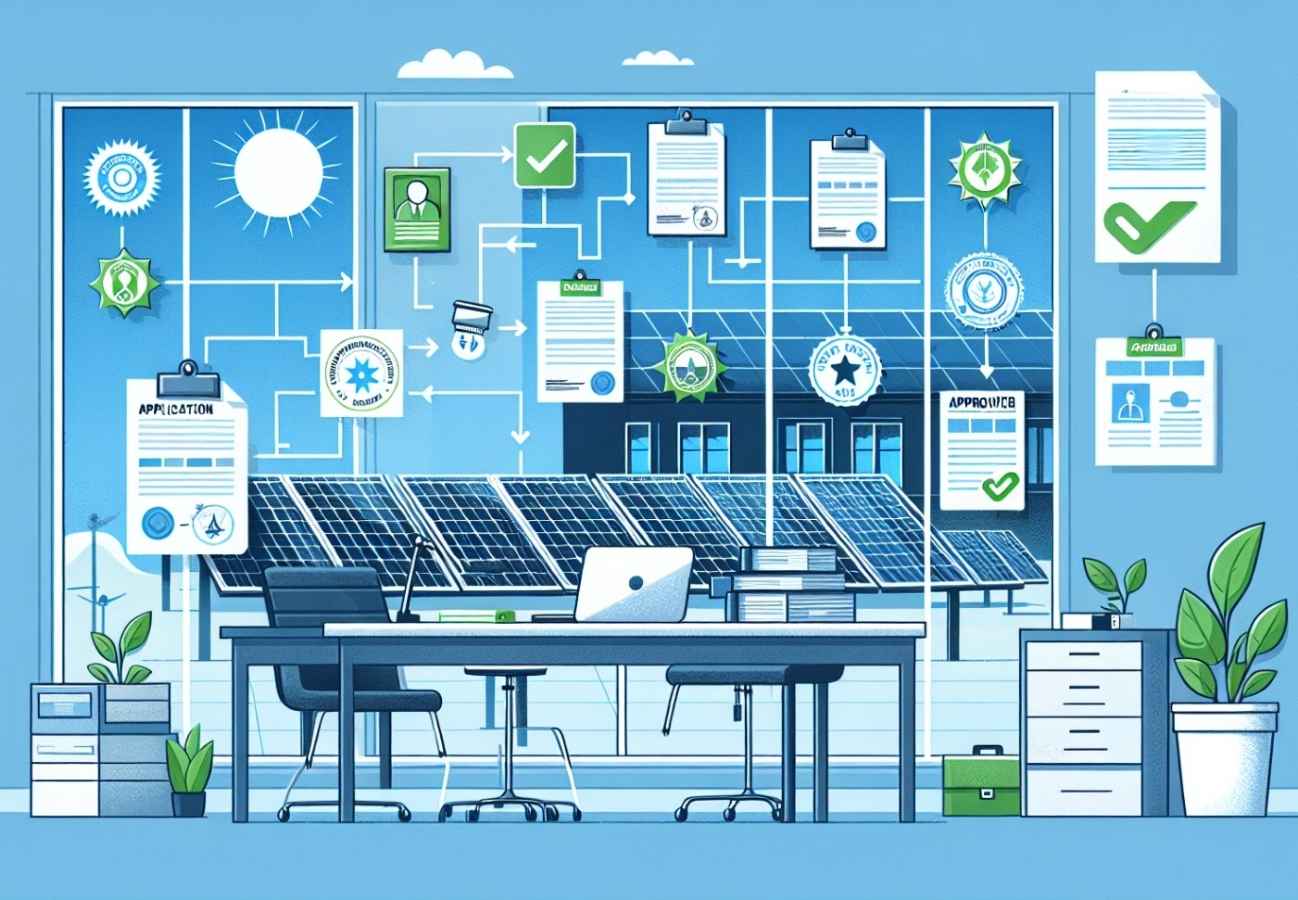
Solar Energy Transition Guide for Companies
The first step is understanding your needs. Review your company’s energy consumption. How much electricity do you use? Analyzing this information will help you determine how many solar panels you will need. Of course, also consider your future growth goals!
The foundation of everything is solid research. You should learn about solar energy systems and existing technologies. Create a detailed plan regarding the costs of solar panels, the energy they can provide, and the savings they generate. In addition, finding a reliable company to carry out the installation is extremely important!
The cost of switching to solar energy often raises questions. However, government incentives and grants can facilitate this process. In addition, research private financing options. Remember, you are making an investment, and this investment will provide savings in the long term.
After completing the first three steps, you can now move on to the installation phase. Together with the company you selected, decide where the solar panels will be installed. Remember, correct positioning of solar panels is critical for maximum efficiency. During this time, it is also beneficial to monitor all stages of the project.
After installation is complete, everything is not finished yet! To increase the effectiveness of your solar energy system, you should perform regular maintenance. Monitoring performance and intervening when necessary will ensure the continuity of your savings.
Transitioning to solar energy is a strategic process that must be carried out step by step for a company. With proper planning and implementation, it is possible to transition to a system that is both environmentally friendly and economically beneficial.

Transition to Solar Energy: A Sustainable Future for Your Company in 10 Steps
Setting a goal before starting the energy transformation makes your journey easier. Clearly defining why your company wants to switch to solar energy will be your source of motivation throughout this process.
Analyze your current energy consumption. Learning which devices consume more energy will guide you during the transition to solar energy. Increasing energy efficiency optimizes the use of solar panels.
Examine different solar energy systems. There are two main types: photovoltaic and thermal systems. You should conduct research to determine which system is more suitable for your company’s needs.
During the energy transformation process, obtaining expert opinions is very important. By working with an energy consultant, you can accelerate your projects and learn best practices.
Deciding where your solar panels will be installed is a critical step. Choosing an area where you can benefit most from sunlight maximizes energy production.
Solar energy systems may be costly initially; however, many financing options are available. Researching government incentives can have a significant impact on your budget.
Complying with local regulations is one of the most important stages of the process. Obtaining the necessary permits helps prevent potential legal issues.
Create a timeline for the installation process. Defining your stages helps you keep both the process and costs under control.
After solar energy systems are installed, regular maintenance and monitoring are very important. This ensures that your system operates efficiently and helps you identify potential issues in advance.
Finally, informing your employees about solar energy increases the importance of sustainability within the company. Training contributes to each individual using the solar energy system effectively.
The process of transitioning to solar energy is a remarkable step. Taking these steps for a nature-friendly future will not only provide environmental benefits but also reduce your company’s energy costs!
Open Yourself to the Sun: The First Step in Companies’ Renewable Energy Journey
Switching to solar energy has become not just a trend but a necessity for many companies. It is a great opportunity to increase energy efficiency, reduce costs, and enhance the brand’s environmental sustainability. By adopting renewable energy solutions such as solar panels and wind turbines, businesses can contribute to nature while achieving significant long-term savings. But how should they start? This is where creating a company-specific energy plan comes into play.
One of the biggest advantages of using solar energy is its accessibility. Businesses of all sizes can now find solutions suitable for their needs. Even a small café can significantly reduce electricity expenses by installing solar panels on its roof. In other words, this journey can begin not only with large investments but also with small steps.
Another important point is the value solar energy adds to a brand’s image. Sustainability is a factor that influences purchasing decisions for many customers today. Therefore, opening yourself to the sun is an excellent strategy to both protect nature and increase brand value. In addition, companies that switch to green energy create a positive perception in society, strengthening their competitive advantage.

Saving in the Sunlight: The Advantages of Switching to Solar Energy for Your Company
The sun is a star full of energy, the source of life every day. So how can you turn this enormous resource into an advantage at your workplace? Switching to solar energy is not only an environmentally friendly option; it is also a great way to reduce costs. Think about it—most of your expenses consist of energy consumption, right? With solar energy, you can reverse this situation.
First of all, by installing solar panels, you can significantly reduce your electricity costs. With a small investment, it is possible to achieve major long-term savings. Panels installed on your company’s roof absorb sunlight throughout the day and produce energy. This energy can be used to meet your office’s electricity needs. In other words, you become the owner of your own power plant!
Using solar energy does not only have economic benefits. This transformation increases your company’s environmental awareness. Customers are placing increasing importance on sustainability. Showing them that you have adopted an environmentally friendly business model increases your brand’s value. Being a pioneer in energy efficiency allows you to stay one step ahead in competition.
In addition, you can further reduce the cost of this transition with government incentives and tax reductions. Benefiting from these supports while switching to solar energy makes the initial investment more acceptable. Just imagine—producing your energy for free while contributing to your budget!
Saving in the sunlight is not just a dream; it is a tangible opportunity for your company. By integrating the sun’s warm rays into your workplace, you can create positive impacts on both the environment and your budget. What are you waiting for to take advantage of this opportunity?
Step-by-Step Solar Energy: Tips and Strategies for a Successful Transition
The first step is research. Learning about the types of solar energy systems available and which system best suits your needs is vital. Gaining information about suitable panel types, inverters, and installation options will be a valuable start. Online resources, forums, and experts will be your best friends in this process.
The second step is conducting a needs analysis. Solar energy systems are shaped according to the energy needs of your home or workplace. Determining how much energy you actually need is a critical point for correct sizing. Just as women consider every detail during wedding preparations, you should approach your solar energy system with the same level of detail!
The third step is creating a budget. The cost of installing a solar energy system depends on many factors. Being informed about government incentives and local support can help balance your budget. Remember, initial costs may be high, but they open the door to long-term savings.
The fourth step is choosing an expert team. When selecting the professional team to install your solar energy systems, be sure to review references. A reliable and experienced team that will not leave you halfway will significantly increase the success of your project. Taking all these steps into account for a sun-bright transition will make your journey as efficient as possible.